
The Annapurna Region, which is located in the center of Nepal, attracts both explorers and enthusiasts of local culture.
This varied region, full of deep cultural traditions and breathtaking scenery, provides more than just hiking; it's a place where culture and environment interact together.
Each corner of the Annapurna region offers an amazing experience, from the majestic Annapurna Circuit to charming villages that provide a glimpse into Nepalese daily life.
The Annapurna Region has something special in store for everyone, be it photographers, enthusiastic trekkers, or those seeking to fully immerse themselves in the cultural traditions of the area.
The blog explores the major attractions of the Annapurna region, which not only provides breathtaking views but unique experiences as well.
Overview of the Annapurna Region
Brief Description of the Annapurna Region
The Annapurna Region of Nepal is a global draw for hikers and those seeking adventure. It is located in Nepal's north-central region.
This region is well-known for its breathtaking views, varied ecosystems, and an incredible range of geography, which includes high-altitude peaks and subtropical rainforests.
The region also includes the Annapurna Sanctuary and the world's deepest gorge, Kali Gandaki Gorge.
Trekking routes travel through charming towns, lush forests, and barren deserts, providing a unique opportunity to take in Nepal's breathtaking scenery and diverse cultural heritage.
Importance of the Region for Trekking Enthusiasts
Trekking in the Annapurna Region is about accepting a trip full of breathtaking sights and cultural interactions, not only about overcoming physical problems.
There are several hiking routes in the area, from the mild Poon Hill climb, which is ideal for beginners, to the difficult Annapurna Circuit.
Given its accessibility and range of hiking experiences, this region is very unique. In addition to the breathtaking scenery, trekkers can also interact with local communities and observe the changing landscapes on a single journey, providing them with insight into Nepalese culture.
Himalayan Attractions in the Region
Annapurna Massif
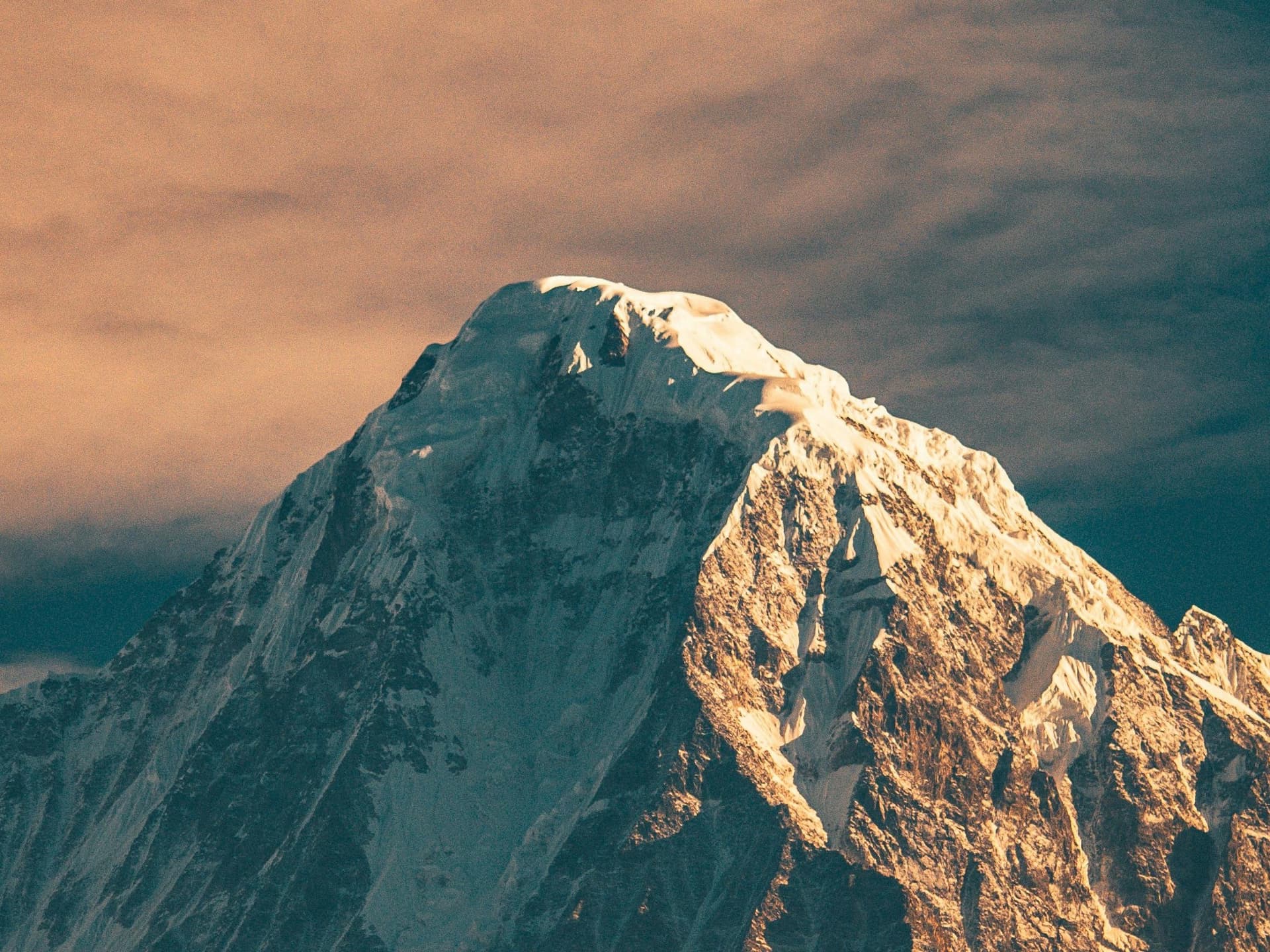
The Annapurna Massif is a massive range of peaks that includes Annapurna I and is located in the center of the Annapurna Region (8,091 meters).
The mountain is well-known for its amazing biodiversity that lives in its many altitudinal zones, in addition to its intimidating height.
The Annapurna Base Camp trek provides a close-up perspective of the massif's breathtaking face, surrounded by glaciers and magnificent cliffs.
Machapuchare
Machapuchare (6,993 m) is also known as the "Fish Tail Mountain" by the locals because of its sharply pointed summits that resemble fish tails.
Trekking in the surrounding region provides stunning views of this natural wonder, even if ascending the peak itself is not permitted due to its holy significance.
It is most commonly observed on the Mardi Himal trek, where you can take advantage of fewer crowds and serene nature scenarios on an off-the-beaten-path route.
Dhaulagiri
Rising at 8,167 meters, Dhaulagiri is one of the seventh tallest peaks in the world. For those seeking an extreme experience, this huge summit provides some of the most difficult trekking routes.
Trekking the Dhaulagiri circuit requires traversing icefalls, steep mountain routes, and the exhilaration of total isolation.
Enjoying expansive vistas of the natural outdoors and a strong sense of achievement are some of the rewards.
Cultural Experiences
In addition to its breathtaking scenery, the Annapurna Region is also known for its lively culture. With its stunning diversity of traditions and cultures, the region gives travelers an in-depth look at the life of Nepal.
Local villages and communities
One of the highlights of any trek in the Annapurna Region is visiting the nearby villages and communities.
Travelers can understand the everyday lives of ethnic groups like the Gurungs and Thakalis by visiting villages like Ghandruk, Manang, and Ghorepani.
Against the breathtaking background of the Himalayas, these people continue to practice their traditional way of life, which is centered around agriculture and animal husbandry.
These settlements are known for their wood and stone buildings, many of which have elaborate carvings and vibrantly colored flags hanging from them.
Engaging with the locals provides an opportunity to learn about their ancient traditions and rich legacy.
Traditional festivals in the region
Several celebrations are held in the Annapurna Region, which enhances the appeal of a cultural journey. The two largest Hindu holidays, Dashain and Tihar, are widely observed here.
The Tibetan Buddhist festival of Lhosar, which celebrates the Tibetan New Year and includes lavish feasts, ceremonial dances, and colorful costumes, is another important festival.
Trekkers gain a better understanding of the local way of life and the distinctive spiritual perspective of the communities by participating in these festivities.
Popular Trekking Routes
Some of the world's greatest trekking routes, each offering a singular adventure and stunning natural beauty, are found in the Annapurna Region.
Annapurna Circuit
A well-known trek that circles the whole Annapurna range is the Annapurna Circuit. This trek, which is often finished in two to three weeks, provides a wide variety of scenery, from lush bamboo and rainforests to dry, high mountain regions.
Trekkers will see exhilarating panoramas of Dhaulagiri and Annapurna as the trail travels the 5,416-meter-high Thorong La Pass, the highest point on the circuit.
The circuit, which passes through holy places like Muktinath and settlements built in the Tibetan manner, is renowned for its cultural richness.
Annapurna Base Camp
Slightly longer than the circuit, the Annapurna Base Camp Trek aims to bring hikers to the foot of the world's tenth-highest peak, Annapurna I. Trekkers can explore the Annapurna sanctuary's natural and cultural core on this path.
The journey also provides expansive views of many high peaks, vibrant woods, steep rice terraces, and a diversity of species that may be seen along the way.
Ghorepani Poon Hill
The Ghorepani Poon Hill Trek is perfect for those seeking a shorter or more beginner-friendly high-altitude hike. It goes through Gurung and Magar villages and offers breathtaking mountain views.
The best part is getting to Poon Hill early enough to see the magnificent sunrise across the Dhaulagiri and Annapurna mountains.
Due to its moderate challenges and breathtaking vistas, the route is popular all year round and is easily accessible.
Wildlife and Nature
Annapurna Conservation Area
The Annapurna Conservation Region (ACA) covers 7,629 square kilometers and is the biggest protected region in Nepal.
This region serves as a vital habitat for a variety of species and plants, in addition to being a paradise for hikers.
The terrain shifts from alpine slopes scattered with lichens and mosses to sub-tropical lowlands with forests of bamboo and rhododendrons, offering a variety of habitats for a wide range of species.
Some of the rare and endangered species, such as the Himalayan tahr, red pandas, and snow leopards, can be visible to visitors.
A wide range of bird species, including Nepal's national bird, the colorful Impeyan pheasant, can also be seen.
Biodiversity in the region
There is abundant biodiversity in the Annapurna Region. It is home to more than 1,000 species of blooming plants, 102 animals, 474 birds, 39 reptiles, and 22 amphibians among its rocky terrain and deep woods.
The region's varied temperatures and elevations add to its rich natural range. The blue sheep, Asian black bears, and langurs are a few prominent species.
To maintain a balance between ecological preservation and human activities like hiking and local agriculture, conservation measures are constantly carried out to save these species and their habitats.
Best Time to Visit
Depending on the height and season, the Annapurna Region's climate can change significantly.
There are four different seasons in the region: winter (December to February), summer (June to August), fall (September to November), and spring (March to May).
Due to their mild temperatures, autumn and spring are seen as the ideal seasons to visit. With their bright skies, mild weather, and optimal visibility, these seasons provide breathtaking views of the Annapurna range.
Trekking paths can be difficult and dangerous in the summer because of the monsoon, but the winter can be quite chilly, especially at higher elevations.
Your Adventure to the Annapurna Region Awaits
Lastly, trekking in the Annapurna Region is a life-changing experience full of amazing scenery, insightful cultural exchanges, and life-changing experiences.
Every journey presents a different experience, whether you're exploring lively communities, taking on challenging routes, or just staring at the gorgeous peaks.
For anyone seeking to fully engage with the natural world and cultural traditions, Annapurna signifies not only a real journey but also an in-depth spiritual investigation.
So, don't wait any further and plan your travel, show consideration for the local environment and culture, and take in the breathtaking Annapurna Region to the fullest.
Travel writer at Shiva Excursion
Related Stories
Continue reading more travel guides and tips