
Annapurna Circuit Trekking is one of the most renowned treks in Nepal. The 15 days journey takes travellers to various places within the Annapurna region, including the high altitude pass of Thorong La Pass, which is located at 5,416 meters.
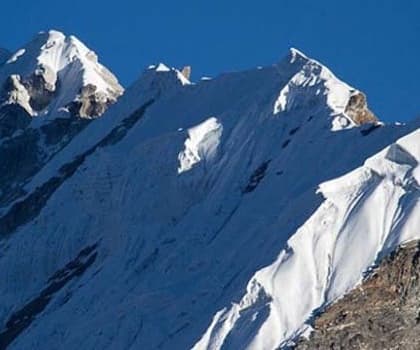
With the well-designed Annapurna circuit trek package, you can visit the Annapurna region in just 15 days. Situated in the Annapurna area, the circuit trip offers magnificent views of the Himalayas like Dhaulagiri and Machhapuchhre with snow-capped peaks such as Annapurna I, II, III, and IV.
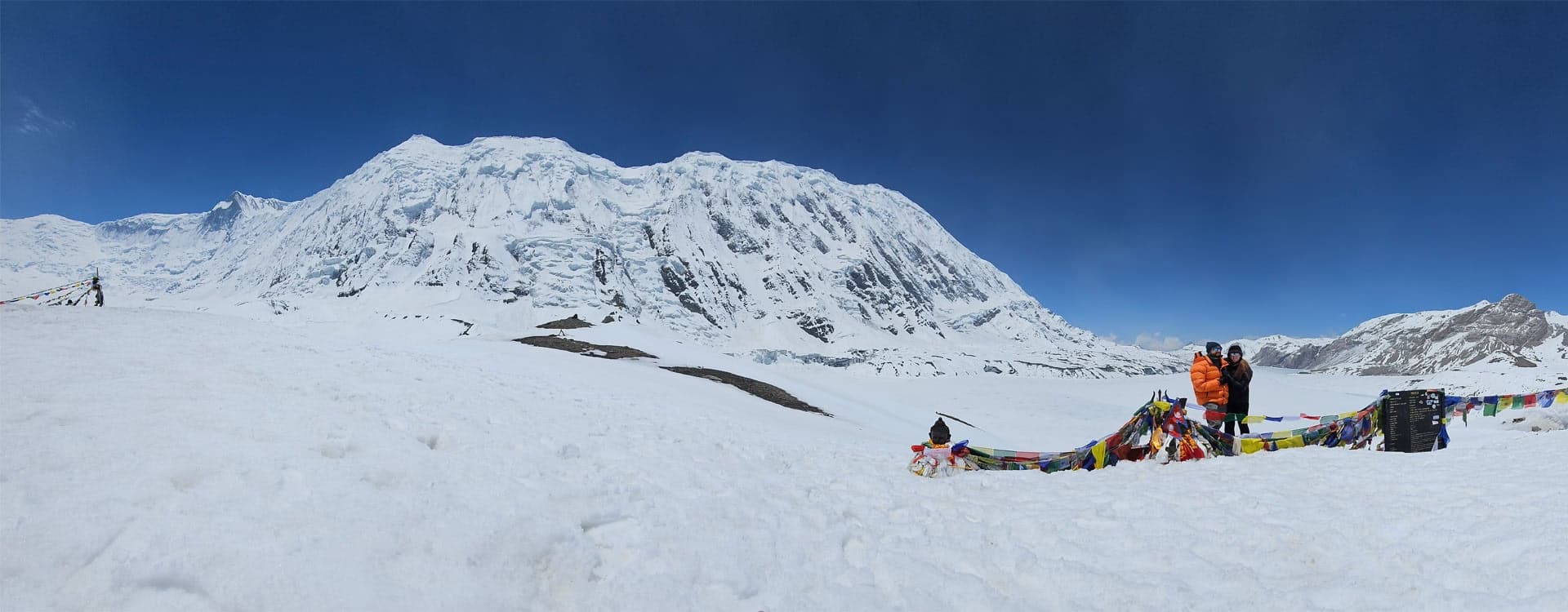
The Annapurna circuit trip takes you to heights of 800 meters to 5,416 meters, giving you a fantastic as well as a thrilling adventure. There are more than 230 kilometers in the Annapurna circuit hike. The trip's highest point, Thorong La Pass (5,416 meters), offers a breathtaking 360-degree panorama of the Himalayas.
The Annapurna Circuit Trekking Route takes you through several villages like Chame, Braga, Manang, Tatopani, Muktinath, Ghorepani and more. Each of these villages provides a unique chance for you to interact with the local people and understand their cultures as well as lifestyles. It is a great opportunity for you to not only enjoy the beauty of the region but also gain a deeper understanding of the lifestyle of people living in the Himalayan regions.
The journey requires a lot of preparation before hand to tackle its high altitude, which rises up to 5,416 meters at Thorong La Pass. With proper training and careful preparation before the journey, you will ensure yourself a safe and comfortable trek to Annapurna Circuit. If you have any queries or want to book your journey to Annapurna Circuit, please feel free to contact us.
Trekking to Annapurna Circuit: Duration and Options
Shiva Excursion provides a 16-day Annapurna Round Trek that can be tailored to meet your needs. With the motor road's recent expansion, you have the option to drive a 4WD Jeep at specific locations.
Following the traditional path, which provides breathtaking vistas of waterfalls and thick woods, the route usually starts in Besisahar. The picturesque, lush scenery of the lower areas of Manang eventually gives way to the barren environment of the alpine region as you go on.
On the journey, walking is required for six to seven hours per day. Every day you will start your trek after having breakfast and head towards the next destination. You'll pause for lunch approximately around 12 p.m. Following a little rest, you will set off again around 2:30 pm and keep going until you arrive at your goal for the day around 4 pm.
Typically, dinner is served between 6:30 and 7:00 p.m. With this routine, you can maintain a comfortable pace while taking in the Annapurna region's beauty and obstacles.
Crossing the High Pass, Thorong La (5,416 meters)
Thorong La Pass (5,416 meters) is the most challenging section of the Annapurna Circuit Trek. To cross this high pass, you need acclimatization and Manang is the most suitable place. High-altitude sickness can be a great challenge on this route with HAPE and HACE cases. Thus, acclimatization makes your breathing at the alpine altitude easy, and your physical fitness increases.
Heading from Manang, you walk through the alpine cattle-grazing meadows and take a rest at Yak Kharka or extend your hike to Thorong La Phedi. An early morning excursion leads you to the top of Thorong La after about 5 hours, according to the Annapurna Circuit trekking map. The entire Annapurna Himalayas can be explored, and you descend to Muktinath, which is another 4 hours' journey.
Round Annapurna trekking gives you the opportunity to explore the culturally blessed Muktinath Temple. It is globally renowned and one of the most popular Hindu pilgrimage destinations. From Muktinath, the trail escorts you down to Kagbeni and follows the Kali Gandaki River valley throughout Jomsom, Marpha, Lete, and Tatopani.
Please contact Shiva Excursion for further details and to operate your most waited Annapurna Circuit Trekking, led by highly experienced guides and porters, with proper food and accommodation, along with safety and security. If you would like to customize the trekking itinerary, please let us know.
Why Choose This Exclusive Round Annapurna Trekking?
Stunning landscape, waterfalls, and rice fields
As soon as you begin the trek, you cross through the spectacular rice fields. With ups and downs, you will frequently encounter cascading waterfalls on the way. It is also because the Annapurna region has the highest rainfall zone in Nepal. The dense woods and enticing River valleys allure the trekkers on the Round Annapurna Trekking route.
Tibetan Buddhist Communities
The lower part of the trek is populated by mixed communities, including Brahmins, Chhetri, and ethnic groups. But the upper part of the region is populated by Tibetan-origin Buddhist devotees like Manange and Loba, who are dominant. Chame, Bhraga, and Manang are some of the typical and ancient settlements that still follow Tibetan Buddhist culture and lifestyles. They are spiritually motivated people. On the other side, beyond the Annapurna Himalayas, there are further Thakali and Tibetan Buddhist communities in places like Muktinath, Kagbeni, Jomsom, Marpha, and Lete.
Enjoy Apple Orchards' Views
Annapurna Circuit Route is dominated by apple orchards, which can be an amazing attraction for trekkers. You will be exploring the apple farms in Manang, Marpha, Tukuche, and Kobang. These farms produce a huge amount of apples that are renowned in the local market and exported to different parts of Nepal. If you stop at Marpha, you can visit the Marpha Brandi distillery, where a local brand of alcohol is produced and is famous around Nepal.
Flora and Fauna
During the trek, you will be walking through the rich area of flora and fauna of the Annapurna Conservation Area Project (ACAP), which was established in 1986 and covers, 7629 sq. km. ACAP is rich in biodiversity and is a treasure house for 1,226 species of flowering plants, 105 mammals like Ghoral, Himalayan Thar, etc., 518 birds, 40 reptiles, and 23 amphibians. A large area of this conservation area is covered by rhododendron woods, oak trees, and other species. The alpine section is dotted with meadows and rocky terrain.
Best Season for Trekking to Annapurna Circuit
The best seasons for the Annapurna Circuit Trek are the autumn (September to November) and spring (February to May) seasons. The weather is usually dry and bright during these seasons, with a clear sky providing breathtaking views of the mountains.
Spring Season
Trekking in the spring season is a terrific way to witness the scenery come to life with a brilliant display of wildflowers. Along the route, rhododendrons are abundant, providing a pop of color against the otherwise untamed landscape.
The lower and medium altitudes offer ideal trekking conditions, and the temperatures are often pleasant as well. But keep in mind that higher elevations can get chilly, particularly at night. When visiting high-mountain teahouses in the evenings and early mornings, remember to bring lots of warm clothing, such as a hat and gloves.
Autumn Season
With good reason, autumn is the ideal season for trekking the Annapurna Circuit. The weather is bright and dry, and the clear sky provides breathtaking views of the Alpine Mountains. This season offers an enjoyable hiking experience, given that the dust and insects have been removed by the monsoon rains. But be prepared for more visitors since this is the busiest time of year for the route.
The less-busy seasons, which are the weeks immediately before and following the peak season, provide the ideal weather and the fewest visitors. While April and May are often quieter than March, September and October are typically less congested than November. But during the shoulder seasons, there's always a danger of facing unpredictable weather patterns.
Outline Itinerary for the Annapurna Circuit 15-Day Trek
Day | Duration | Distance | Altitude |
Day 01 | Arrival in Kathmandu | ---- | ---- |
Day 02 | Kathmandu to Besisahar | 7 hours drive | 845 meters (2,808 feet) |
Day 03 | Besisahar to Chame | 5 to 6 hours drive | 2,670 meters (8,759 feet) |
Day 04 | Chame to Upper Pisang | 4 to 5 hours trek | 3,300 meters (10,827 feet) |
Day 05 | Upper Pisang to Braga | 3 to 4 hours trek | 3,470 meters (11,385 feet) |
Day 06 | Braga to Manang | 3 to 4 hours trek | 3,540 meters (11,614 feet) |
Day 07 | Manang to Yak Kharka | 4 hours trek | 4,050 meters (13,287 feet) |
Day 08 | Yak Kharka to Phedi | 4 to 5 hours trek | 4,525 meters (14,846 feet) |
Day 09 | Phedi toThorang La to Muktinath | 10 to 12 hours trek | 5,416 meters (17,769 feet) |
Day 10 | Muktinath to Kagbeni to Marpha | 6 to 7 hours trek | 2,670 meters (8,759 feet) |
Day 11 | Marpha to Tatopani | 5 to 6 hours trek | 1,230 meters (4,035 feet) |
Day 12 | Tatopani to Ghorepani | 6 to 7 hours trek | 2,874 meters (9,429 feet) |
Day 13 | Ghorepani to Pokhara | 5 to 6 hours trek | 827 meters (2,713 feet) |
Day 14 | Pokhara to Kathmandu | Drive 6 to 7 hours | 1,350 meters (4,431 feet) |
Day 15 | Farewell | ---- | ---- |


.avif&w=2048&q=75)
.avif&w=2048&q=75)