
The Annapurna Circuit trekking route has been a popular trekking destination for tourists over the past few years. From breathtaking views to cultural interactions, encounters with flora and fauna, and challenging trails, the route provides it all.
Located within the Annapurna region, the journey provides you with a once-in-a-lifetime opportunity to experience the Himalayas like never before. The 15-day Annapurna Circuit Trek takes you through various villages, like Besishar, Chame, Manang, Muktinath, Ghorepani, and more, including the challenging high-altitude pass, Throng La Pass.
So, stay with us as we explore some of the major stops along the Annapurna Circuit route. These stops not only offer breathtaking views of the Himalayas but also give you a brief overview of the region’s cultures and people.
A Brief Overview of the Annapurna Circuit
Annapurna Circuit is one of the most famous hiking routes worldwide and is located in the Annapurna region of Nepal. You will encounter a variety of environments along the way, including high alpine deserts, terraced rice fields, and lush subtropical forests.
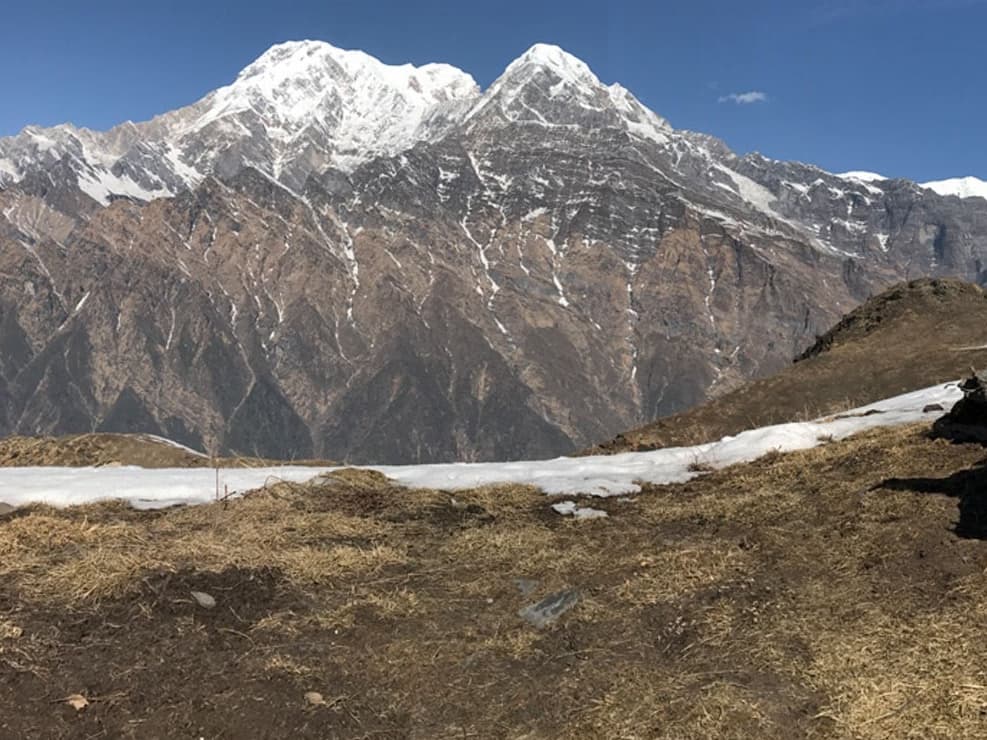
A number of the Annapurna range's peaks, including Machapuchare (Fishtail Mountain) and the renowned Annapurna I, II, III, and IV, are beautifully visible from the route. You will also experience the rich cultural legacy of this region as you go through traditional Gurung and Thakali villages, where you can explore old monasteries and see rituals being performed.
The highlight of the Annapurna Circuit is crossing the 5,416-meter-high Thorong La Pass, which is the highest point on the journey. Acclimatization and physical preparation are necessary for this strenuous portion, but the reward is breathtaking panoramic vistas of the surrounding Himalayan peaks.
The trail falls into the Mustang region after the pass, which is distinguished by its distinct topography and Tibetan cultural influences. The hike comes to a peaceful finale in the stunning lakeside city of Pokhara, which provides a calm end to the exciting journey.
In addition to offering an amazing hiking experience, the Annapurna Circuit promotes a close bond with Nepal's natural and cultural core.
7 Major Stops Along Annapurna Circuit Trekking Route
The Annapurna Circuit is renowned for its varied landscapes, cultural experiences, and breathtaking views of the Annapurna range. The following are some of the most important locations along the Annapurna Circuit:
Kathmandu
Nepal's capital, Kathmandu, is a thriving metropolis that acts as the political, cultural, and commercial center of the nation. Situated in the foothills of the Himalayas in the Kathmandu Valley, the city is widely recognized for its diverse cultural heritage and extensive history, which spans more than two millennia.
With so many temples, stupas, and monasteries, including the UNESCO World Heritage Sites of Swayambhunath (Monkey Temple), Boudhanath Stupa, Pashupatinath Temple, and the ancient Kathmandu Durbar Square, Kathmandu is a melting pot of Hindu and Buddhist traditions.
With its mix of historic buildings, lively marketplaces, and modern comforts, the city serves as a starting point for hikers and explorers traveling to the Himalayas. Travelers are drawn to Kathmandu by its distinct blend of past and present, which makes it a must-see location for anybody visiting Nepal.
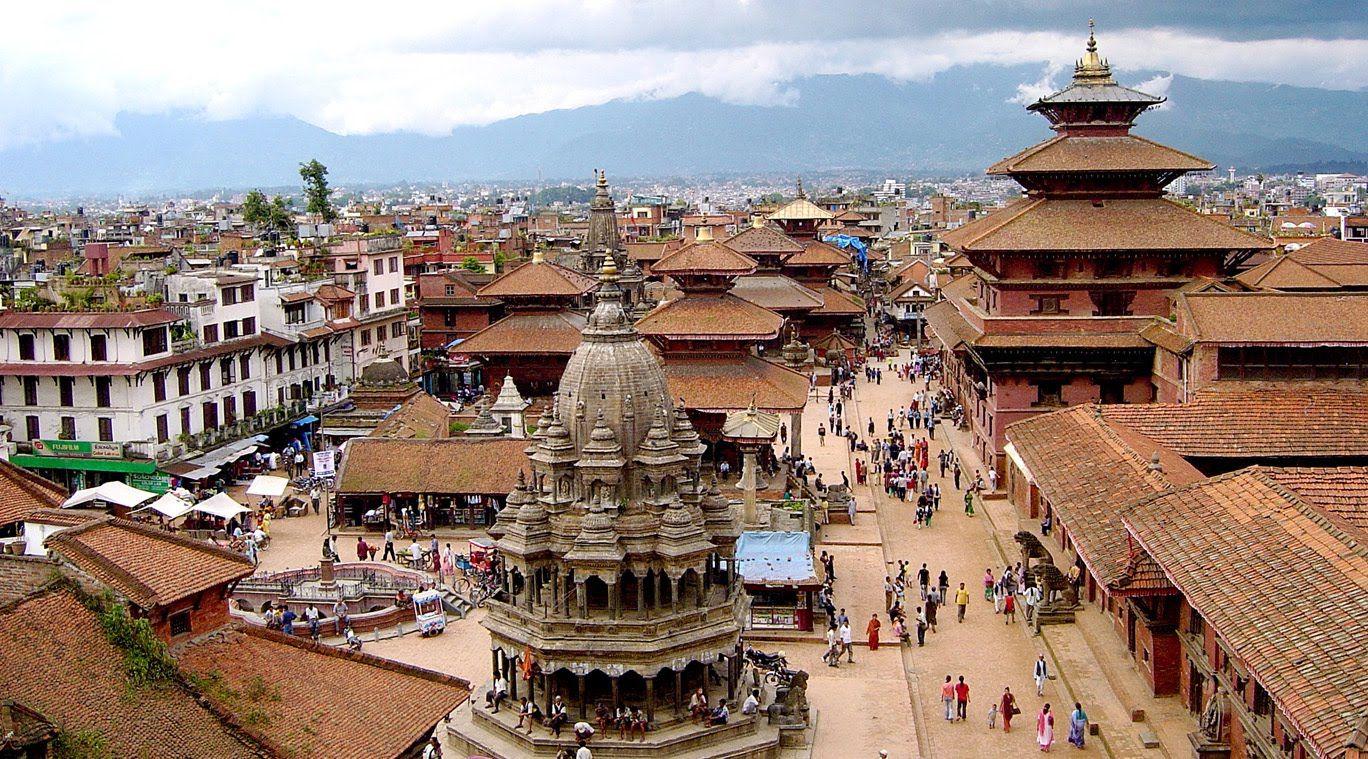
Highlights of Kathmandu
- Rich cultural legacy and history dating back more than two millennia
- Fusion of Buddhist and Hindu customs and countless stupas, temples, and monasteries
- Swayambhunath (Monkey Temple), Boudhanath Stupa, Pashupatinath Temple, and Kathmandu Durbar Square are all UNESCO World Heritage Sites.
- A starting point for hikers and explorers going to the Himalayas
- Historic buildings next to bustling marketplaces and modern infrastructure
- A distinct fusion of modern and historical components draws in guests
- Historical museums, such as the Hanuman Dhoka Palace Museum and the National Museum
- Vibrant celebrations and cultural activities all year long
- Renowned craftsmanship in ceramics, metalworking, and thangka painting
Manang
Situated along the famous Annapurna Circuit at an elevation of around 3,500 meters, Manang is a charming village in Nepal's Manang District. Manang is an essential acclimatization stop for hikers getting ready to traverse the Thorong La Pass.
Surrounded by magnificent peaks, such as Annapurna II, III, IV, and Gangapurna, the village presents panoramic views that captivate each guest. Manang is deeply ingrained in Tibetan culture, which is seen in its traditional buildings, Buddhist temples, and the locals' way of life. In addition, the settlement is home to several attractions, including the Himalayan Rescue Association clinic, which offers hikers vital medical information and services, Milarepa's Cave, and Gangapurna Lake.
Manang is a key destination on the Annapurna Circuit, combining natural beauty, cultural diversity, and a prime position to provide a relaxing and insightful experience for all visitors.
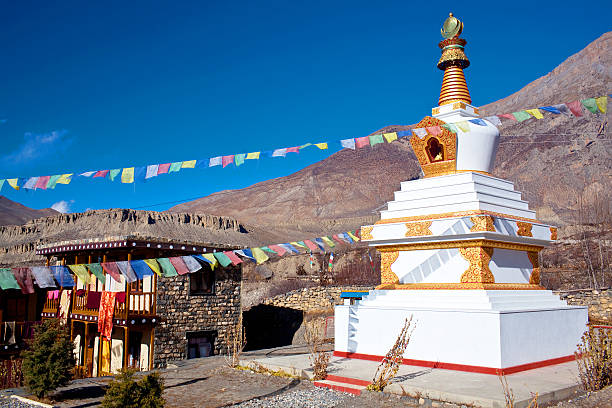
Highlights of Manang
- Situated at 3,500 meters along the Annapurna Circuit, it provides Expansive views of Gangapurna, Annapurna II, III, and IV.
- Abundant in Tibetan Buddhist customs and constructions
- A must-visit location for hikers before navigating Thorong La Pass
- Includes Buddhist monasteries and Milarepa's Cave.
- Serene Gangapurna Lake is next to the village
- Himalayan Rescue Association Clinic that offers medical support and guidance on altitude
- Discover regional traditions and day-to-day activities in a mountain community.
- Is a gateway to accessing neighboring peaks and high-altitude pathways.
Throng La Pass
At 5,416 meters (17,769 feet) above sea level, Thorong La Pass is one of the world's highest hiking routes and a highlight of Nepal's Annapurna Circuit. A sense of pride and excitement can be felt in those who traverse this difficult portion of the journey through the magnificent, sweeping views of the Dhaulagiri and Annapurna mountain ranges.
To take advantage of the clear weather and avoid afternoon winds, trekkers usually begin their ascent from Thorong Phedi or High Camp early in the morning. The hard ascent to the pass demands significant physical preparation and acclimatization, but the payoff is a breathtaking view of the natural landscape below and snow-capped peaks above.
Thorong La Pass showcases the various landscapes and customs of the Himalayas while acting as a cultural link between the Manang and Mustang regions, in addition to providing a breathtaking natural display.
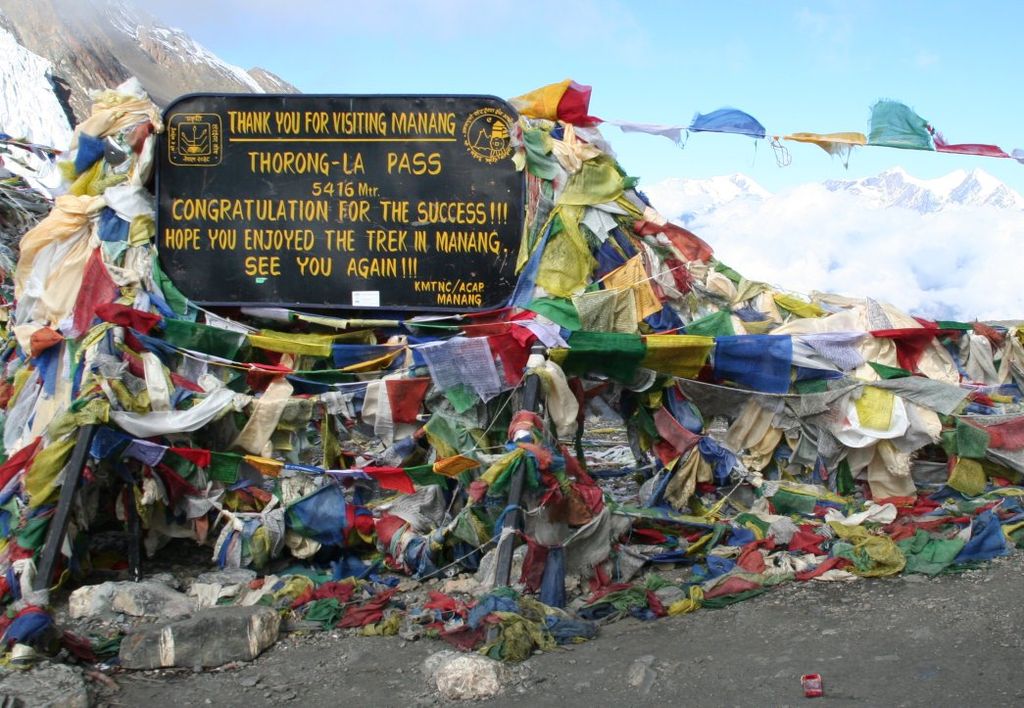
Highlights of Thorong La Pass
- One of the world's highest hiking passes
- Offers sweeping panoramas of the Dhaulagiri and Annapurna mountain ranges
- A challenging ascent that calls for appropriate physical preparation and acclimatization
- It is usually climbed in the early morning hours, when there is less wind and clear skies.
- Gorgeous views of untamed landscapes and snow-capped peaks
- It helps the Mustang and Manang regions be connected.
- Trekkers have a strong sense of accomplishment
- Highlights the many Himalayan landscapes and ethnic customs
- A major path of pilgrimage for the local Buddhists and Hindus
- Prayer flags and little shrines are seen at the pass.
- Requires navigating rugged trails and glacier moraines.
- Frequent sightings of blue sheep and yaks in the mountains
- Provides a fantastic chance for high-altitude photography.
Muktinath
Situated in Nepal's Mustang province at an elevation of 3,800 meters (12,467 feet), Muktinath is a highly respected pilgrimage site. Both Hindus and Buddhists revere Muktinath, known for its historic temple honoring Lord Vishnu and the everlasting flames originating from natural gas sources, symbolizing the elements of water and fire.
The Himalayan peaks frame the temple's quiet surroundings, providing a deep feeling of serenity and spirituality. Trekkers and pilgrims alike travel to Muktinath to take a dip in one of the 108 stone water spouts around the temple, which is said to cleanse them of sins and bring redemption.
As important as the destination, the route to Muktinath, which is frequently included in the Annapurna Circuit walk, takes hikers through breathtaking scenery and culturally diverse settlements. A Buddhist monastery is part of the temple complex, which reflects the region's harmonious blending of many religious traditions.
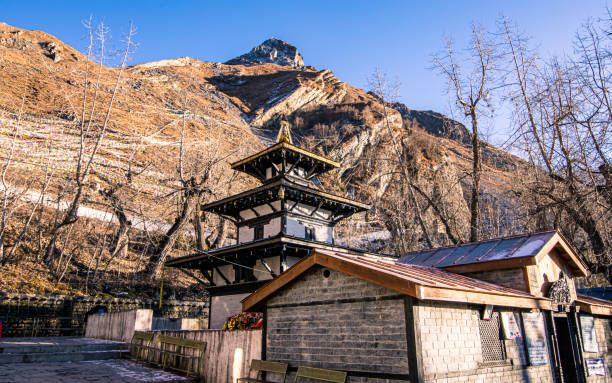
Highlights of Muktinath
- It is a renowned center of pilgrimage for Buddhists and Hindus alike, drawing followers from all over the world.
- Located at 3,800 meters (12,467 ft) above sea level in Nepal's Mustang province.
- It is a historic temple to Lord Vishnu, a significant Hindu figure.
- The temple complex has eternal flames that represent the elements of fire and water, emanating from natural gas sources.
- The magnificent Himalayan peaks frame the temple's peaceful surroundings, which exude a deep feeling of serenity and spirituality.
- frequently visited as a component of the Annapurna Circuit walk, making it an important destination for both pilgrims and trekkers.
- The temple complex includes a Buddhist monastery, reflecting the harmonious blend of Hindu and Buddhist traditions in the region.
Ghorepani
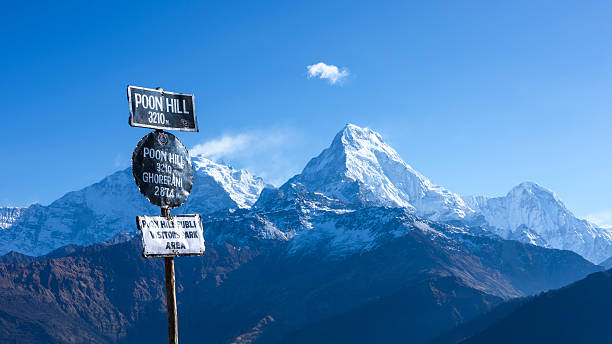
Trekkers on the Ghorepani Poon Hill Trek and the Annapurna Circuit frequently stop in Ghorepani. It is a beautiful village in the Annapurna region of Nepal, which is situated at an elevation of around 2,874 meters (9,429 feet).
Ghorepani is well-known for its magnificent springtime rhododendron woods, which blossom brilliantly. It also provides beautiful views of the Dhaulagiri and Annapurna mountain ranges.
The community is well-known for being close to Poon Hill, which is only a short stroll away and offers one of the most breathtaking views of the Himalayas at daybreak. Trekkers will never forget the expansive view from Poon Hill, which takes in some of the highest peaks on earth.
The village's location and natural beauty make it a must-visit destination for those exploring the Annapurna region.
Highlights of Ghorepani
- Situated at an estimated elevation of 2,874 meters (9,429 ft)
- Gorgeous woods of rhododendrons that bloom brilliantly in the spring
- Provides stunning vistas of the Dhaulagiri and Annapurna mountain peaks.
- Close to Poon Hill, a well-known dawn vantage point
- From Poon Hill, take in expansive views of many of the highest peaks on earth.
- Tiny town with little tea shops that offer a friendly welcome
- Cozy spot for hikers to stop throughout their journey
- An advantageous position in the Annapurna area
- A must-see location for hiking adventures and breathtaking scenery
- A vibrant cultural encounter with the Gurung and Magar people
- Possibility of seeing native clothes, customs, and way of life
- vibrant wildlife and flowers, delighting those who love the natural world.
- Clearly designated hiking routes are appropriate for hikers with different levels of expertise
Tatopani
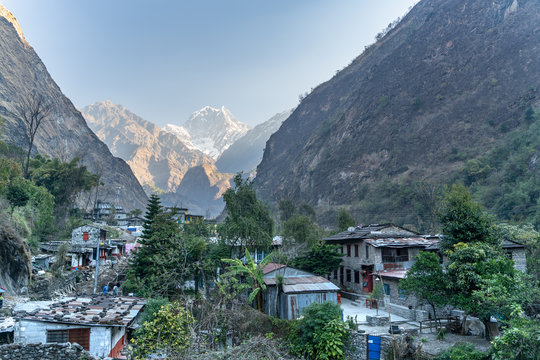
Tatopani is well known for its natural hot springs and is located in the Annapurna area of Nepal, in the Kali Gandaki River Valley.
The word "Tatopani" means "hot water" in Nepali, emphasizing the village's primary feature. Trekkers frequently take a break here to unwind and revitalize in the healing waters, which are said to have therapeutic qualities.
Tatopani provides beautiful views of verdant woods and terraced slopes beyond the hot springs, creating a peaceful haven in the middle of untamed Himalayan nature. In addition, the community acts as a crossroads of cultures where hikers may engage with residents from the Gurung and Thakali groups and experience their customs and hospitality.
Along the Annapurna Circuit, Tatopani is a well-liked spot for leisure and cultural immersion due to its peaceful surroundings and healing waters.
Highlights of Tatopani
- Located in the Kali Gandaki River Valley of the Annapurna region
- Famous for natural hot springs, known locally as "Tatopani,"
- Therapeutic properties believed to rejuvenate trekkers
- Scenic views of terraced hillsides and lush forests
- Tranquil setting amidst the rugged Himalayan landscape
- Cultural crossroads with interactions with Thakali and Gurung communities
- Opportunity to experience local traditions and hospitality
- A popular stop for relaxation along the Annapurna Circuit trek
- Peaceful environment away from larger towns, ideal for unwinding
- A convenient rest stop along the Annapurna Circuit trek
- Comfortable accommodations and hearty meals at local guesthouses
- Rich biodiversity that is perfect for nature enthusiasts and birdwatchers
- Exploration of traditional Thakali architecture and local cuisine
Pokhara
Pokhara is a charming city in central Nepal that is well-known for its breathtaking natural beauty and calm environment. It is tucked away at the foot of the Annapurna mountain range.
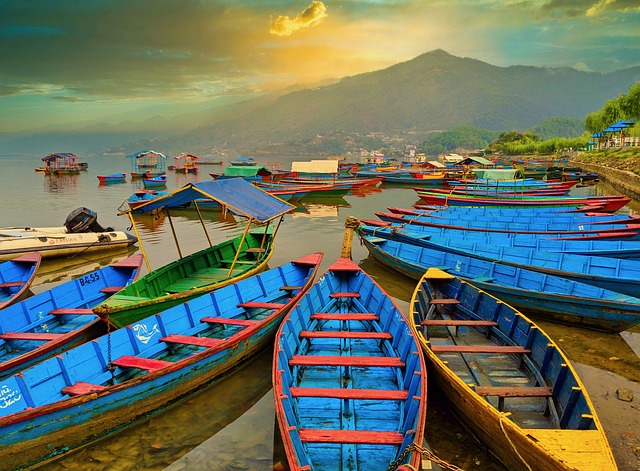
Pokhara is well-known for its serene lakes, such as Phewa Lake, which reflects the Machapuchare mountain. Pokhara also provides stunning vistas of the Himalayas.
Adventurers and trekkers from all over the world come to the city because it is the starting point for well-known hiking routes like the Jomsom Trek and the Annapurna Circuit.
Beyond its natural charms, Pokhara offers an exciting lakeside environment with quaint cafés, eateries offering both local and foreign cuisines, and a variety of lodging choices, from affordable guesthouses to lakeside resorts.
Cultural sites such as the World Peace Pagoda and Bindhyabasini Temple add to Pokhara's charm, making it a must-visit destination for both relaxation and adventure in Nepal.
Highlights of Pokhara
- Known for its stunning natural beauty and serene atmosphere,
- Tranquil lakes, including Phewa Lake with views of Machapuchare
- Gateway to popular trekking routes like the Annapurna Circuit
- Attracts trekkers and adventurers from around the world
- Vibrant lakeside atmosphere with cozy cafes and restaurants
- Range of accommodation options from lakeside resorts to budget guesthouses
- Cultural sites such as the World Peace Pagoda and Bindhyabasini Temple
- Adventure activities such as paragliding, boating, and zip-lining
- Spectacular views of the Himalayas, especially at sunrise and sunset
- Home to the International Mountain Museum, showcasing Nepal's mountaineering history
- Peaceful boat rides and lakeside strolls along Phewa Lake
- Thriving arts and crafts scene with local markets and workshops
- Accessible from Kathmandu via a scenic bus or short flight
Conclusion
To sum up, hiking the Annapurna Circuit delivers a life-changing experience over some of the most stunning and varied landscapes in Nepal. Every location along the road has a different beauty and cultural value, ranging from the verdant valleys and quaint settlements at lower elevations to the untamed landscape and breathtaking peaks at higher altitudes.
Every minute of our walk, whether it is taking in the breathtaking dawn from Poon Hill, traversing the challenging Thorong La Pass, or unwinding in the healing hot springs of Tatopani, is a witness to the Himalayas' spiritual depth and natural beauty.
Along with providing physical obstacles, the walk feeds the spirit with its interactions with historic temples, local communities, and breathtaking scenery. Every destination on the Annapurna Circuit adds to an incredible journey, making it a trekker's dream experience for those looking for a serious physical challenge as well as a deep cultural immersion in Nepal.
Travel writer at Shiva Excursion
Related Stories
Continue reading more travel guides and tips