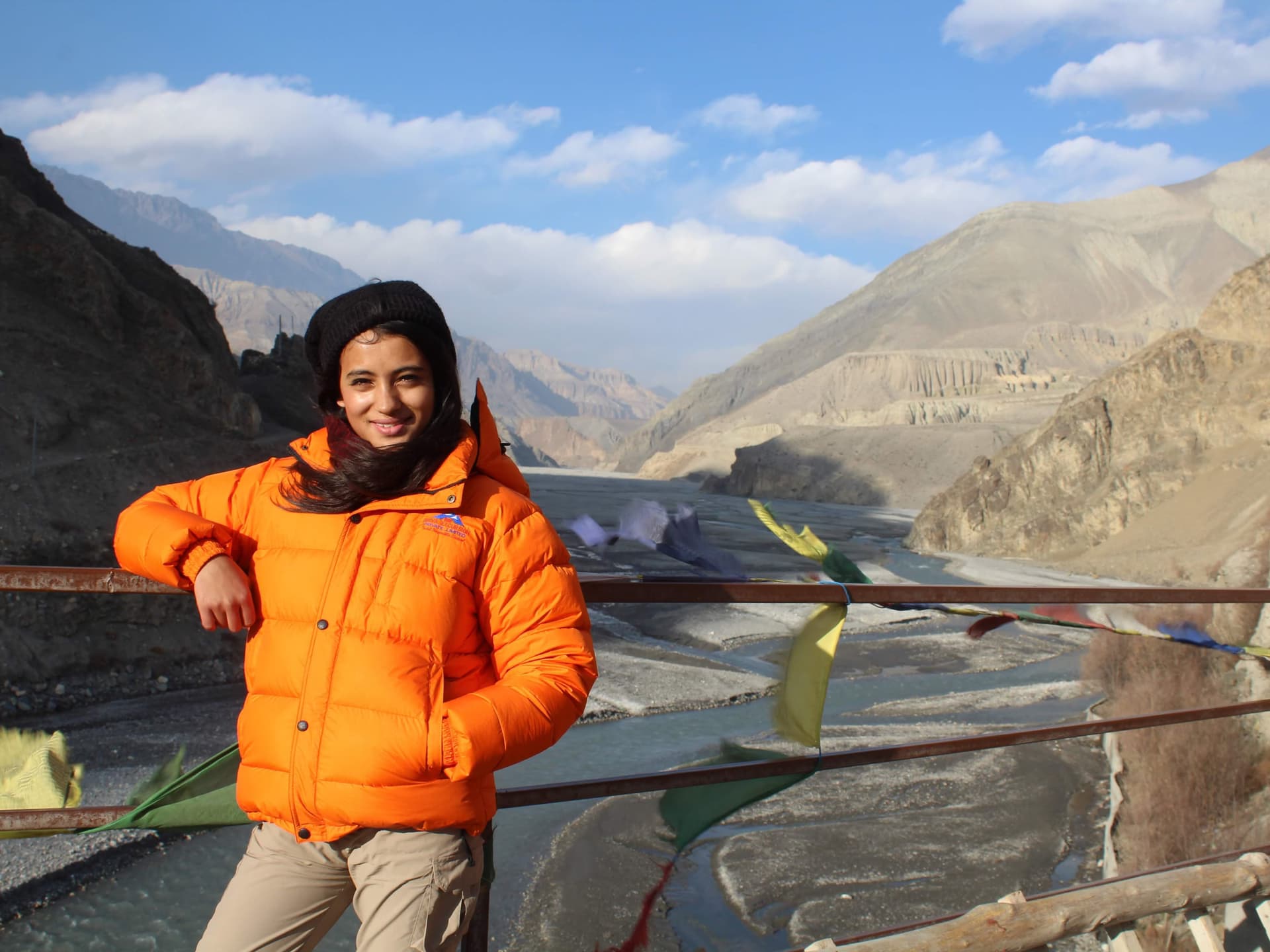

Trekkers will surely find heaven in the Annapurna region, which is located in the center of Nepal and has some of the most breathtaking and diverse landscapes on earth.
The Annapurna region reflects the diversity of nature itself, ranging from lush subtropical forests and terraced rice fields to barren high mountain deserts.
Trekking in this region pushes your physical boundaries and allows you to fully experience the diverse cultural heritage of the Nepalese people.
The region is also home to some of the most popular treks in Nepal, like the Annapurna Base Camp Trek, the Annapurna Circuit Trek, and the Ghorepani Poon Hill Trek.
Every traveler can find something to enjoy in the region, regardless of their preferred duration or destination of the journey. So, fasten your boots and get ready for an amazing adventure in the Himalayas.
Essential Preparation
To enjoy and finish your trek in the Annapurna region of Nepal, preparation is essential. This involves setting up the appropriate equipment as well as making sure your body is fit enough to cope with the physical requirements of the hike.
Physical Preparation
The starting point of your training should be an effective physical conditioning program, because trekking in the Annapurna region can be demanding.
Start your routine at least three to four months before you leave by adding cardiovascular workouts like cycling, swimming, or jogging.
Strength training is also essential. Make sure to focus on the muscles you use most frequently while hiking, like the legs, core, and back, during your training.
Furthermore, take several long walks or climbs, gradually increasing the distance and height, to replicate the environment you would encounter in Nepal. This prepares you psychologically as well as physically for the everyday demands of the trek.
Mental Preparation
To mentally prepare for hikes in the Annapurna region, you must develop an enduring and optimistic outlook that is capable of handling the physical and psychological challenges of trekking at high altitudes.
It's important to prepare for and welcome difficulties like weather fluctuations, altitude sickness, and physical fatigue.
Enhancing mental stamina and controlling anxiety can be achieved through engaging in mindfulness practices and stress-reduction methods like meditation or deep breathing exercises.
Setting reasonable objectives, being adaptable with your schedule, and maintaining your spirit of wonder and adventure are also crucial.
Gear and Equipment Checklist
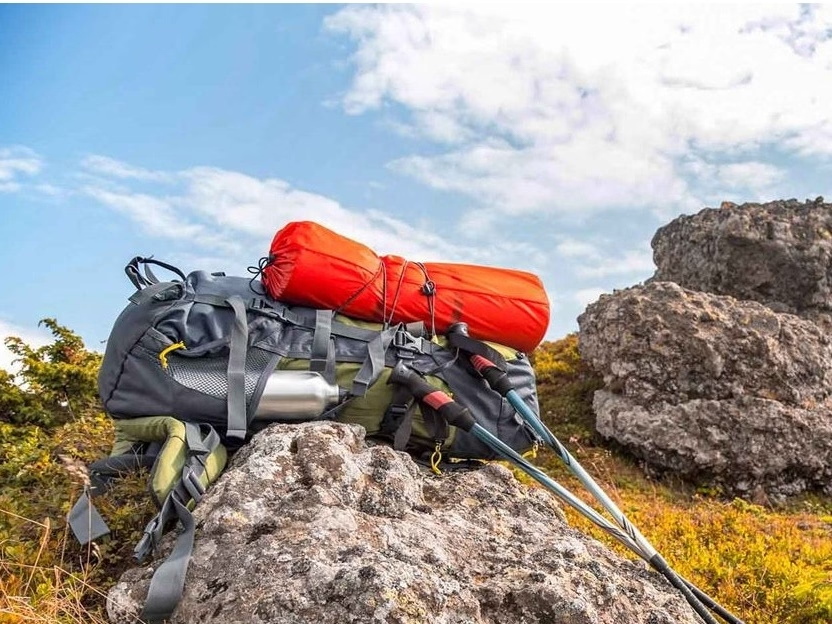
Having the proper equipment with you will be essential for both comfort and safety on the journey. Here is a simple checklist:
- Backpack: An excellent, rain-coverable hiking backpack.
- Clothing: Wear layers of breathable, moisture-wicking apparel in addition to a thick jacket for lower temperatures.
- Shoes: sturdy, water-resistant hiking boots.
- Sleeping Bag: A sleeping bag that is suitable for all four seasons and can withstand low temperatures.
- Tools for navigation: a compass, maps, and maybe a GPS unit.
- First-Aid Kit: bandages, analgesics, painkillers, and personal prescriptions.
- Headwear: a beanie for chilly weather, sunglasses, and a sunhat.
- Accessories: hiking poles, lip balm, sunscreen, additional batteries, a flashlight, and a water filtering device.
Please note that this checklist is just a reference. You need to modify it according to your necessities and depending on the season in which you are trekking.
Planning your Trek
To successfully mitigate the challenges of hiking, preparation is essential. Careful planning can help your trekking experience, from choosing the best route to comprehending your lodging alternatives.
Route Selection
There are several paths in the Annapurna area, each with its own special charms and difficulties. The 15-day Annapurna Circuit is well-known for its breathtaking scenery and cultural variety.
For those seeking a shorter trip, the Annapurna Base Camp trek, which takes around 14 days to complete, provides a breathtaking journey through charming towns and forests with breathtaking vistas of the Annapurna range. When selecting a route, consider your interests, physical condition, and time limits.
Permits and Regulations
To trek in the Annapurna region, you must have the following permits:
- TIMS: The Trekkers' Information Management System, or TIMS Card, is a necessity for all hikers visiting Nepal.
- ACAP: The Annapurna Conservation Area Permit (ACAP) is required only for individuals who want to hike across the Annapurna area.
These are essential for your journey and can be purchased in Pokhara or Kathmandu. Make sure all of your paperwork is up to date to prevent any legal problems when traveling.
Accommodation Options
The Annapurna region offers a range of lodging options, from cozy lodges to quaint teahouses. Teahouses are modest lodgings with basic facilities, usually including common dining rooms and restrooms.
Except during the busiest trekking seasons, reservations shouldn't normally be made in advance. Though they are less popular in isolated places, consider lodges with enhanced amenities and private rooms for a more pleasant stay.
Knowing your lodging alternatives can help you plan your trip more effectively and set realistic expectations about what to anticipate.
Safety Measures and Emergency Preparedness
In the Annapurna region, the weather can fluctuate suddenly. So, it is necessary to keep up with daily weather forecasts to be safe.
Make sure to always bring appropriate clothing and equipment in a variety of weather situations. Since temperatures can change unexpectedly from warm days to chilly nights, wearing layers is always a good idea.
Pack Essential Safety Gear
You must pack the appropriate safety equipment before you go on your trip. A trustworthy map, a GPS unit, and a fully charged cell phone with a local SIM card are necessities.
It's also a must to have a basic first aid pack filled with materials for common illnesses and small injuries. Also, add supplies like band-aids, painkillers, antiseptic cream, medicine for altitude sickness, and prescribed medications.
Emergency Protocols
Keep a list of hospitals that are closest to you and other emergency contacts close at hand.
Mobile-friendly locations throughout most Annapurna hiking routes allow you to ask for assistance if necessary.
Additionally, always hike in a group or with a friend. Having someone by your side might be lifesaving in case of any injuries or health problems.
Cultural Etiquette and Responsible Trekking Practices
Trekking in the Annapurna region involves respecting the environment and local culture in addition to taking in the breathtaking views. The adventure includes more than just the trek; it also includes Nepal's rich culture and the kind welcome of its people.
Respect Local Culture and Traditions
You can spend some time learning about the traditions and rituals followed by the indigenous people in the Annapurna region, as it will increase your understanding of the Himalayan life of Nepal.
Make sure to always ask for permission before taking pictures of locals; always dress modestly and show respect. Engage in the customs and greetings of the place you are visiting; it will improve your experience and promote mutual respect.
Minimize Environmental Impact
It is important to protect the Annapurna region's natural beauty for future generations. As a responsible hiker, follow the 'leave no trace' philosophy.
Make sure to properly dispose of rubbish and return all items that you brought. Don't use soap or detergent in streams or rivers, and use water carefully.
Support Local Economies
Supporting small businesses in the villages you visit during your trek is one of the finest ways to give back to them. Shop locally, and think about booking accommodations at family-run guesthouses. This boosts the local economy and provides you with an authentic experience at the same time.
Embrace the Adventure in Annapurna Region
Recall that the journey is just as fulfilling as the goal when you wrap up your preparations for hiking in the Annapurna region.
The breathtaking scenery, lively local culture, and route conditions will make for an amazing journey. Stay positive, be adaptable with your plans, and enjoy each moment.
For experienced or inexperienced hikers, the Annapurna region provides a special chance to get in touch with nature and push yourself.
Travel writer at Shiva Excursion
Related Stories
Continue reading more travel guides and tips